Your Thinking Credit Card

Owen Murphy
| 12-02-2026
 · News team
Hey Lykkers! Let's do a quick check. Pull out your wallet and look at your credit card. That little piece of plastic hasn’t fundamentally changed in decades. It has a static number, a fixed expiry date, and a three-digit CVV that stays the same until you get a new card.
But what if your credit card could adapt and protect you like a digital bodyguard? The next generation of smart payment cards is here, and they’re turning the wallet into something much more dynamic.
Dynamic CVV & Virtual Cards
The biggest weakness of traditional cards is that key details are reusable. Smart cards tackle this with dynamic security codes.
Imagine a tiny display embedded on the card (or a companion app) that refreshes the CVV periodically. Even if details are stolen, their usefulness can drop quickly. This approach has appeared in real-world banking pilots, including BNP Paribas’s Motion Code rollout.
Grief hits in waves, not lines! Sadness, anger, silence? Healing takes time and care!
Grocery “Deals” Aren’t Deals: The One Number You Must Check Before You Buy
Work, sleep, stress?! Learn how daily choices support control and confidence!
Feeling low lately?! Small steps, kind thoughts, steady hope—motivation starts right here!
Tension in the office?! Small actions, clear intent—how trust quietly grows at work!
No words, no answers? The silent treatment can cut deeper than any argument!
Taking this further, many issuers now support instant virtual card generation in apps. Buying from an unfamiliar website? You can create a one-time card or set a spending cap for added control. As EMVCo explains, “EMV Payment Tokenisation enhances in-store, e-commerce and remote payment security by removing the most valuable data to a fraudster, the primary account number (PAN), and replacing it with a unique alternative value, the EMV Payment Token.”
Your Card, Your Rules
This is where control becomes personal. Instead of one blunt credit limit, users can apply granular controls.
Via app settings, rules can include:
- Block specific merchant categories at certain times
- Set monthly limits for selected spending types
- Disable international transactions unless travel mode is enabled
This is not only anti-fraud—it can also support better spending discipline through pre-commitment behavior tools.
The Crypto Bridge
A major new development is crypto-linked card spending.
Some programs let users spend digital assets while merchants receive local currency through backend conversion at checkout. This model is already being implemented in mainstream network partnerships. It reduces friction between digital-asset balances and everyday purchases, though availability depends on country, issuer, and compliance rules.
The Trade-Off
These benefits come with trade-offs.
- More advanced cards may require extra device/app management
- Fine-grained controls increase data sensitivity around transaction behavior
- Users should review privacy terms, data-sharing settings, and security defaults carefully
So the shift is not just from “old card to new card”—it’s from passive payment tool to active financial-control platform.
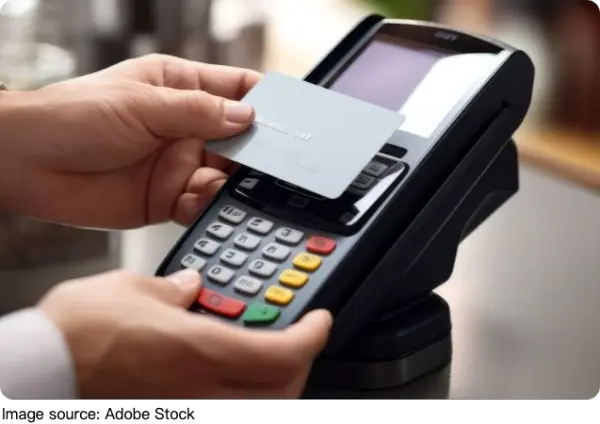
The dumb plastic era is fading. Smart cards are evolving into a mix of security layer, spending control panel, and digital-finance bridge. The key question is not only what they can do—but how much control, automation, and data visibility you’re comfortable with.