The Bulk Deal Trap

Ravish Kumar
| 12-02-2026
 · News team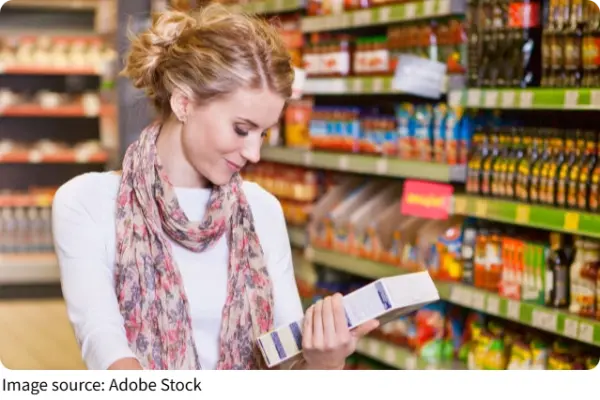
Hey Lykkers, quick question before we start!
Have you ever grabbed a “deal” at the grocery store—only to get home and wonder why your bill was still so high?
If that sounds familiar, you’re not imagining things. Welcome to the “Buy One, Get Nothing Free” trick: a common marketing tactic in packaged foods that looks like savings but can quietly cost you more.
The Illusion of the “Deal”
Packaged food makers are masters of psychology. Phrases like “family pack,” “value size,” or “limited-time offer” trigger urgency and a fear of missing out. Our brains are wired to assume more product equals better value, even when the math doesn’t agree.
Here’s the catch: many “discounted” or bundled items end up priced higher per unit than smaller or non-promoted versions sitting quietly on the same shelf. You’re not automatically buying more value—you’re often buying more quantity, and those two are not the same thing.
Work, sleep, stress?! Learn how daily choices support control and confidence!
Feeling low lately?! Small steps, kind thoughts, steady hope—motivation starts right here!
Tension in the office?! Small actions, clear intent—how trust quietly grows at work!
No words, no answers? The silent treatment can cut deeper than any argument!
Struggling to help your child read? These simple home tips really make a difference!
Feeling drained every workday? These 5 signs may explain what’s really wrong!
How “Buy More” Quietly Empties Your Wallet
Let’s break down a common scenario:
• A regular box of cereal: $3.50 for 500g
• A “value pack”: $6.99 for 900g
Sounds reasonable, right? But when you calculate the price per gram, the smaller box can be the better buy. The larger pack just feels like a better deal because of its size and bold messaging.
This tactic works especially well on everyday staples like snacks, breakfast cereals, frozen meals, and soft drinks—items we grab quickly and buy repeatedly. Brands know we’re busy, and most people rarely stop to do the math.
The Expert Take: Why We Fall for It
One reason this works is simple: shoppers often rely on visual cues instead of unit pricing. As Delia Rickard, a consumer regulator, writes, “Unit pricing is a labeling system that shows standard units of measurement to help consumers compare the prices of products.”
In other words, the shelf label already contains the “truth serum”—but only if you look at the per-100g (or per-item) price instead of the biggest sticker or the biggest box.
When “Nothing Free” Really Means Nothing Free
Another twist to watch for: multi-buy offers can be structured so the “deal” pushes you to spend more overall—especially if you buy extras you didn’t plan to purchase.
The fix is the same every time: compare unit prices, then decide whether the total cost and the extra quantity genuinely fit your needs.
Why Packaged Foods are the Perfect Target
Packaged foods have long shelf lives, are purchased frequently, and rely heavily on branding and packaging design. That combination makes it easy for confusing sizes and eye-catching promos to distract shoppers from what matters most: the price per unit.
Unlike fresh produce, where comparisons are often straightforward, packaged goods can hide behind flashy labels, shifting sizes, and inconsistent “value” claims.
How Lykkers Can Outsmart the Trap
Here’s how to shop smarter—without giving up convenience:
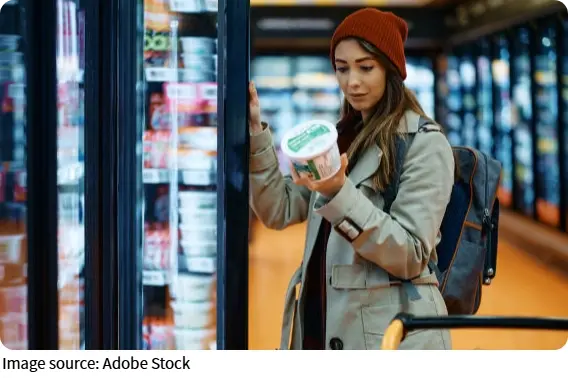
1. Check the unit price (per 100g, per kilogram, per litre, or per item).
2. Ignore shelf hype like “Best Value” and focus on the numbers.
3. Buy what you actually need, not what feels like a bargain.
4. Compare across brands and sizes, not just within one “deal.”
5. Treat urgency as a warning sign—real savings don’t need a countdown.
The Takeaway
The “Buy One, Get Nothing Free” trick works because it plays on habit, speed, and emotion. But once you slow down and compare unit prices, the illusion collapses.
Lykkers, the smartest shoppers aren’t the ones who buy the most—they’re the ones who buy intentionally.