Modern Gold Power

Arvind Singh
| 14-04-2026
 · News team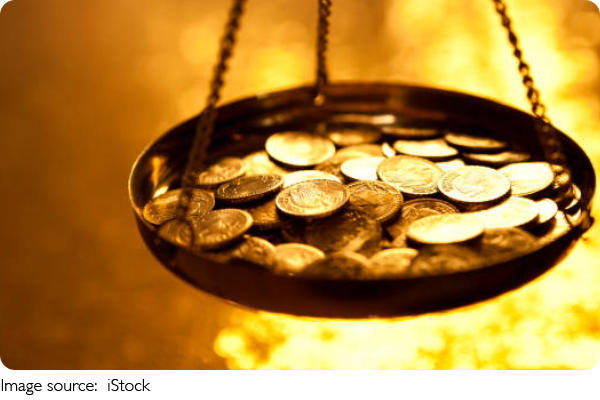
Hello, Lykkers! In a world increasingly shaped by cryptocurrencies, digital payments, and algorithm-driven markets, it’s natural to ask: do precious metals like gold still matter? The answer is yes—and perhaps more than ever.
While the financial system evolves rapidly, precious metals continue to play a vital role, adapting to the needs of a modern, digital economy.
A Timeless Safe Haven in a Changing Landscape
Gold has long been considered a reliable store of value. In times of economic uncertainty, investors often turn to it for stability. This pattern has not changed, even as financial systems become more digitized.
One of gold’s key strengths lies in its ability to behave differently from other assets. While stocks and digital currencies can be highly volatile, gold often maintains its value or even rises during market downturns. This makes it a powerful tool for diversification, helping investors reduce overall portfolio risk
Revolutionary pill promises longer, healthier lives for dogs of all breeds
The Economic System That Could Fix Waste, Climate, and Growth All at Once.
Why wait in clinics anymore? Healthcare is moving straight to your screen!
Can your diet be smarter? Data may guide every meal choice you make daily!
Missed by humans? AI spots patterns that lead to breakthrough treatments fast!
Can labs be smarter? AI brings new speed and precision to medical testing!
From Crisis Asset to Core Portfolio Component
Traditionally, gold was seen primarily as a fallback during economic crises. Today, however, its role has expanded significantly.
Modern investors are no longer waiting for economic downturns to consider precious metals. Instead, gold is increasingly viewed as a core component of a well-balanced portfolio. This shift reflects a broader focus on long-term wealth preservation rather than short-term gains.
By including precious metals alongside equities, bonds, and digital assets, investors can create a more resilient financial strategy that performs well across different market conditions.
Digital Assets vs. Precious Metals
The rise of cryptocurrencies has introduced a new kind of “digital gold,” leading some to question whether traditional metals might become obsolete. However, the reality is more balanced.
Digital assets offer innovation, speed, and growth potential, but they also come with significant volatility. Precious metals, on the other hand, provide stability and a proven track record.
Rather than competing, these asset classes often complement each other. While digital currencies may drive growth, gold serves as a stabilizing force, helping to offset risk in uncertain markets.
Central Banks and Global Trust
Another important factor supporting gold’s relevance is the continued demand from central banks. Governments around the world still hold large reserves of gold and, in many cases, are increasing them.
This behavior reflects a deep level of trust. Unlike fiat currencies, which depend on government policies, gold’s value is recognized globally and has remained consistent over time. It is not tied to any single economy, making it a reliable asset during periods of global uncertainty or financial instability.
Tangibility in a Digital Economy
One of gold’s most unique qualities is its physical nature. In contrast to digital assets, which exist only as data, gold is tangible and finite.
This physical presence offers reassurance. Investors know that gold cannot be created at will, unlike paper money or digital currencies. As a result, it often acts as a hedge against inflation and currency devaluation.
In a world where most financial assets exist only on screens, the tangible nature of gold provides a sense of permanence and security.
Expert Insight
Allen Mendenhall, a research fellow specializing in economic policy, emphasizes that gold remains valuable because it is a “non-correlated asset,” meaning it does not move in tandem with traditional financial markets. This characteristic makes it especially useful for diversification and risk management in modern portfolios.
The Future of Precious Metals
Looking ahead, precious metals are not being replaced—they are being integrated into the digital economy.
Innovations such as tokenized gold and online trading platforms are making it easier than ever to invest in these assets. These developments combine the reliability of traditional investments with the accessibility of modern technology.
Gold’s role may evolve, but its core purpose remains unchanged: to provide stability, preserve value, and offer confidence in uncertain times.
Final Thoughts
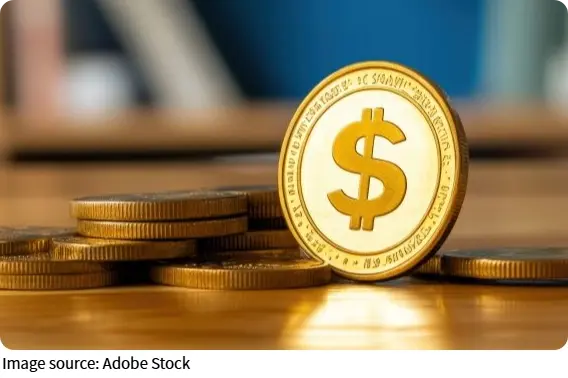
For Lykkers navigating today’s complex financial world, precious metals offer something increasingly rare: stability. While digital assets and new technologies bring exciting opportunities, they also introduce uncertainty.
Gold and other precious metals provide a counterbalance—grounded, reliable, and time-tested. In a digital economy defined by rapid change, they continue to prove that some financial principles are truly timeless.