Walk Through Before Closing

Santosh Jha
| 02-04-2026
 · News team
Walking through a building with an agent can make the next chapter feel close, but close is not the same as financially ready. Consumer mortgage guidance is useful because it keeps the home-buying process tied to cost, terms, and long-term affordability instead of sales momentum.
That matters because property decisions feel emotional very quickly, while the financing behind them can stay in place for years. Good housing finance keeps the excitement connected to the long-term obligations that follow it.
Count the Whole Budget
The first protection is understanding the full cost picture, not just the most attractive headline number. Down payment size, closing costs, monthly payment structure, insurance, taxes, and near-term move-in expenses all shape what ownership will really feel like after the excitement settles. The purchase should make sense after the move, not only during the search.
The Hidden Tax Costs of Selling Across Borders
Inside the Powerful Machines Driving Cryptocurrency Mining
The Real Difference Between Average and Smart Investors May Surprise You
The Retirement Tax Move That Could Leave More Money in Your Pocket
Why Basic Insurance May Not Be Enough When Costs Spiral
Too many treats? Slow jumps, heavy naps! Trim habits now, keep whiskers happy!
When buyers focus too narrowly on one number, they often miss the pressure that shows up immediately after closing. A better approach is to treat affordability as a complete system rather than a single approval result. That mindset usually leads to more realistic choices and fewer surprises.
Compare the Financing
Shopping carefully also matters because the mortgage itself can take many forms. Rate structure, fees, loan features, and required cash at closing all deserve side-by-side comparison. A loan that looks cheaper at first glance may behave very differently once the details are understood. Structure matters as much as surface appeal.
That is why official loan-shopping tools emphasize comparison rather than trust in any one pitch. Buyers do not protect themselves by moving faster. They protect themselves by slowing enough to see how the offers differ in real terms. A careful comparison can save far more than a quick acceptance.
Review the Documents
Documents should be reviewed as if every line matters, because financially they do. Cash to close, payment structure, escrow details, and any penalties or changing terms should all make sense before signing. The last stage of the deal is often the stage where people are most tempted to stop reading carefully. That is exactly why discipline matters most there.
That is precisely when attention is most valuable. The best time to question a fee, a number, or a condition is before the signature, not after the obligation is already in place. Questions asked early are cheaper and more powerful.
Inspect the Fit
Property decisions also require some attention to the asset itself. Condition, location tradeoffs, likely maintenance, and the practical fit between the property and the household budget all influence whether the purchase remains healthy after move-in. Financially, the physical asset and the loan structure belong in the same conversation.
A home can be appealing and still be financially awkward. That is why buyers benefit from keeping practical questions close to the emotional ones. Long-term comfort usually comes from that balance, not from enthusiasm alone. A strong purchase is one the owner can live with comfortably, not just admire initially.
Preserve Flexibility
The strongest buyers preserve options after the purchase. That means leaving room for repairs, routine ownership costs, and ordinary life rather than stretching so far that every surprise becomes a crisis. Comfort is part of affordability, not a luxury added later. The budget should still function when ordinary repair and ownership costs arrive.
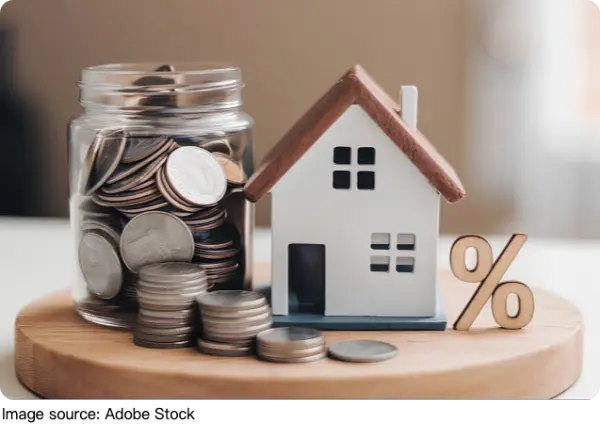
When the budget still has space after the keys arrive, ownership feels different. The house becomes a managed asset rather than a constant source of tension. That is the outcome smart home finance is really trying to produce. Buyers who protect flexibility usually enjoy the property more once the deal is done.
Think Beyond Today
Buying property is easier to handle well when the decision is judged against the years after closing, not only against the excitement of the current month. That longer view helps buyers compare homes, loans, and tradeoffs more honestly.
When people take that broader perspective, they are more likely to choose a property they can support with confidence. That is what turns a successful transaction into a stable period of ownership.
The process is less about getting through the transaction and more about living well with the decision afterward. The best home buyers compare carefully, read closely, and make sure the property fits the budget that will exist after the celebration is over. That is how a purchase stays financially sound.
The final walk-through mindset is useful because it forces visual impressions and financial obligations into the same frame. That is often the last good moment to check whether enthusiasm still matches affordability.