Ramadan: Month of Blessings

Owen Murphy
| 11-02-2026
 · News team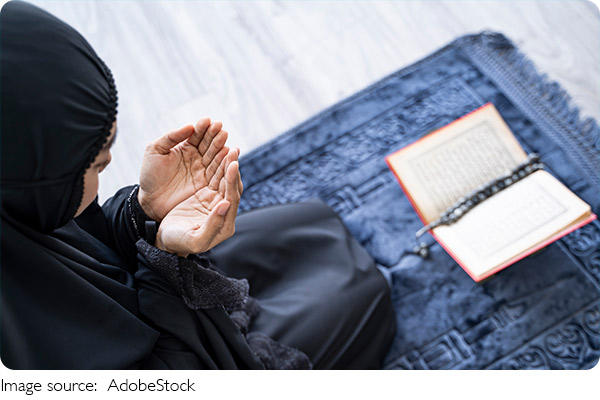
Ramadan arrives each year as a sacred pause in the rhythm of daily life, offering a time shaped by patience, reflection, and generosity.
It is more than a change in eating hours or sleeping patterns; Ramadan is a carefully balanced journey that influences the body, the mind, and the soul.
From the first predawn suhoor to the quiet moments after iftar, Ramadan unfolds as a month filled with blessings that extend beyond daylight fasting and into every corner of human behavior.
The Meaning Behind Ramadan Fasting
At the heart of Ramadan lies fasting, a disciplined practice observed from dawn until sunset. During these hours, individuals refrain from food, drink, and physical indulgence, creating space for inner awareness. Ramadan fasting is not intended as hardship, but as a structured reminder of moderation and self-control. Hunger during Ramadan encourages gratitude for daily sustenance and cultivates empathy for those who face scarcity throughout the year.
The One Thing Billionaires Can’t Buy That’s Actually Fixing Global Poverty!
Side effects can be tough! What helps manage them without stopping treatment?
Small daily habits matter! Are you missing key steps that lower heart attack risk?
Is depression inherited? Family history can play a role—but it’s not the whole story!
Want kids to open up more? Trust grows through small, everyday moments!
Names slip, focus fades? Daily habits protect memory as we age! Brain care matters now!
Physically, Ramadan fasting allows the body to reset habitual consumption patterns. Digestive rest, mindful eating during iftar, and controlled portions at suhoor contribute to a heightened awareness of health. Spiritually, Ramadan fasting sharpens focus and encourages intentional living, guiding individuals to align actions with purpose rather than impulse.
Suhoor and Iftar: More Than Meals
The rhythm of Ramadan is framed by two essential moments: suhoor and iftar. Suhoor, taken before dawn, is a quiet and grounding meal that prepares the body for the long day ahead. Balanced nutrition at suhoor supports endurance, but its deeper value lies in intention. Waking early during Ramadan fosters discipline and commitment, reinforcing the significance of preparation in all aspects of life.
Iftar, on the other hand, is a moment of relief and gratitude. As the sun sets, the simple act of breaking the fast becomes a shared experience that strengthens family and community bonds. Ramadan iftar gatherings often begin with dates and water, followed by carefully prepared dishes that reflect local traditions. Beyond nourishment, iftar embodies togetherness, reminding participants that blessings grow when shared.
Ramadan and the Power of Self-Reflection
One of the most transformative blessings of Ramadan is the emphasis on self-reflection. With daily routines altered, individuals gain clarity to examine habits, intentions, and relationships. Ramadan encourages mindful speech, patience in conflict, and conscious decision-making. This reflective atmosphere fosters personal accountability, allowing individuals to identify areas of growth and refinement.
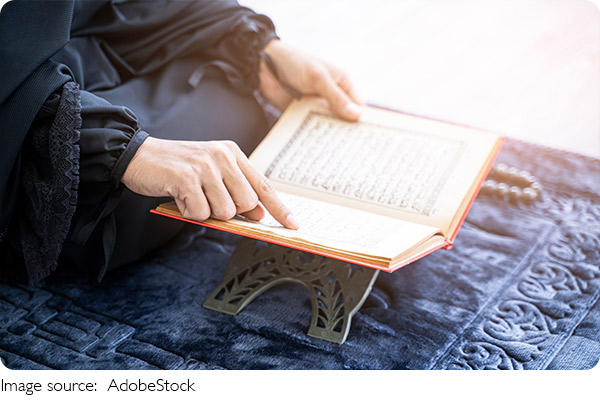
During Ramadan nights, many devote time to reading, contemplation, and quiet moments of stillness. These practices nurture inner calm and provide perspective in an otherwise fast-paced world. Ramadan becomes a mirror, reflecting both strengths and shortcomings, while offering the opportunity to realign priorities.
Generosity and Social Responsibility During Ramadan
Ramadan is closely associated with generosity and care for others. Acts of giving, whether through food distribution, financial assistance, or simple kindness, are amplified during this month. Ramadan encourages individuals to recognize shared humanity and respond with compassion. This heightened sense of responsibility strengthens social bonds and promotes a culture of empathy.
Community initiatives during Ramadan often include collective iftar programs, food drives, and outreach efforts. These activities transform Ramadan from a personal experience into a collective movement of goodwill. The spirit of giving during Ramadan is not driven by recognition, but by sincerity and awareness of interconnected lives.
Ramadan Nights and Inner Tranquility
As daylight fasting concludes, Ramadan nights take on a distinct character. Streets become lively, homes glow with warmth, and conversations deepen. Despite the activity, there is a prevailing sense of tranquility unique to Ramadan evenings. This balance between social connection and inner calm defines the emotional texture of the month.
Late-night moments during Ramadan offer space for quiet reflection after the day’s obligations. Whether spent in conversation, reading, or silent contemplation, these hours reinforce the idea that Ramadan is not rushed. Time itself feels softened, inviting mindfulness rather than urgency.
Lasting Lessons Beyond Ramadan
Although Ramadan spans a limited number of days, its lessons are designed to endure. The habits cultivated during Ramadan — mindful eating, patience, generosity, and self-discipline — provide a framework for life beyond the month. Ramadan teaches that true abundance is not measured by consumption, but by awareness and restraint.
Ramadan is a month where time slows, hearts open, and intentions become clearer. Its blessings are not confined to fasting hours or shared meals, but woven into daily choices and quiet moments of awareness. As Ramadan passes, it leaves behind more than memories, it offers a renewed way of seeing life, inviting every soul to return again next year with deeper gratitude and an even more open heart.