Student Account 101

Nolan O'Connor
| 29-01-2026
 · News team
Hey Lykkers! You know that feeling when you get your first real paycheck, or finally save up for that big purchase—maybe a laptop, a car, or concert tickets—and then it hits you… where should this money even live?
If you’re building your own financial life for the first time—whether you’re in college, starting a career, or stepping into independence—you’ve probably asked yourself: Should I just keep using my parents’ bank? Or is there something out there designed… for me?
Why “Youth Accounts” Aren't Just Kid Stuff
Let's be real: a bank account isn’t just a place to stash birthday cash anymore. It’s your financial launchpad. Youth accounts and student banking products are designed with you in mind—fewer fees, lower minimum balances, and tools to help you build smart habits early.
The Hidden Reason Your Bank’s “Brand” Doesn’t Work Anymore
Construction Loans Explained: The Draw System Most People Don’t Understand
Why Your Card Gets Declined Abroad: The Real Rulebook Banks Don’t Explain
Most People Think They’re Covered—Until Their Most Precious Item Vanishes
Gig Workers: The One Coverage Mistake That Can Wipe Out Your Best Month Overnight
Why the Biggest Insurers Don’t “Avoid Risk”—They Engineer It (Here’s How)
George S. Clason, a personal finance author, writes, “A part of all you earn is yours to keep.” In short, getting set up early can support everything from your first major purchase to longer-term goals you’ll grow into over time.
What Makes a Great Student Account? (Spoiler: It’s Not Just a Free Debit Card)
When you're comparing options, look beyond the flashy card design. Here are the key features that actually matter:
No Monthly Fees: This is non-negotiable. Many big banks offer fee waivers for students, often until you graduate. No one should pay just to keep their own money.
Low (or No) Minimum Balance: Your balance will go up and down. A good student account won’t penalize you for that.
Overdraft Protection that Educates, Doesn’t Punish: Look for features that alert you before you overdraw, or that offer a small, fee-free buffer. Some neobanks like Chime or Current are built around this principle.
Mobile-First, Smooth Experience: You’ll manage money 99% of the time on your phone. The app should make budgeting, transfers, and depositing checks a breeze.
Financial Literacy Tools: The best accounts offer built-in savings goals, spending insights, or even mini-courses on credit—so you’re not just storing money, you’re learning how to use it well.
The Hidden Gem: Building Credit Early & Safely
This might be the most valuable perk of all. Some youth accounts offer pathways to a secured credit card or a credit-builder loan. Why does this matter? Because your credit history can influence everyday milestones, like renting an apartment or qualifying for certain loans. Starting with a small, manageable credit product under the umbrella of your bank can help you build a strong score with training wheels on.
Warning Signs to Avoid
Not all “student-friendly” accounts are created equal. Watch out for:
- Automatic conversion to a fee-based account after you turn a certain age.
- Hidden ATM fees if you use out-of-network machines.
- Lack of customer support channels you actually use.
Your Action Plan, Lykkers
1. Compare at least 3 options: Look at one traditional bank (like Chase College Checking), one online-only bank (like Capital One MONEY), and one fintech app (like Step, designed for teens).
2. Read the fine print on fees and age limits.
3. Ask about integrations: Can you connect it to budgeting apps like Mint or YNAB?
Involve a parent or mentor if you’re under 18—you’ll likely need a co-owner, and it’s a great chance to learn together.
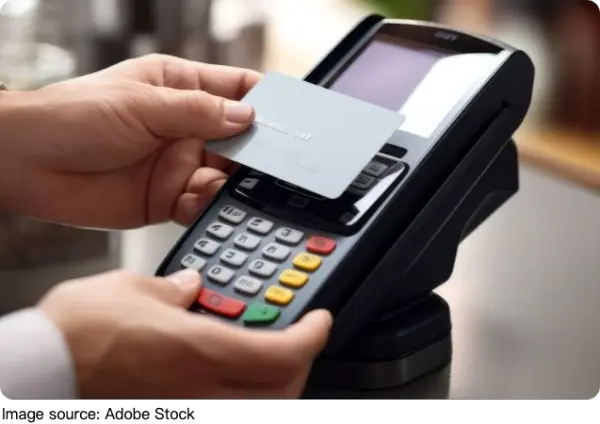
Choosing your first real bank account is a rite of passage. It’s a step toward financial independence. Pick one that respects your stage in life, keeps costs predictable, and helps you build habits you’ll still be glad you learned years from now.