Inflation vs Savings

Mukesh Kumar
| 29-01-2026
 · News team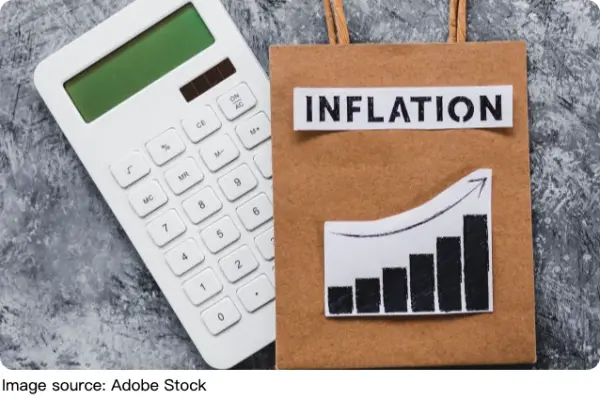
Inflation doesn’t feel dramatic day to day, yet it can quietly reshape a budget over years. When everyday prices rise, the same paycheck or savings balance buys less than before.
That matters whether money is sitting in a bank account, set aside for a big goal, or meant to support retirement. The key is planning for rising living costs.
Inflation Explained
Inflation is the broad rise in prices across goods and services over time. It’s not just one item becoming more expensive; it’s a general upward drift that changes what money can do. When inflation runs higher than the return earned on cash savings, purchasing power erodes. The number in the account may rise, but its real value falls.
The Retirement Plan That Runs in the Background and Still Builds Real Wealth
This Simple Insurance Check Can Save You From a Financial Disaster
Charm on the surface, rules ignored! Is it rebellion or a real disorder?
Read moods, not minds! Calm replies change fights? Emotional skill keeps love steady!
Runs in families, but not fate! DNA links to schizophrenia? Risk rises quietly!
Noise everywhere, mind racing! Peace can be practiced daily? Simple moments slow it all!
Real-Life Prices
Price changes become obvious when comparing the past to the present. A movie ticket that averaged $6.41 in 2005 later reached $11.23 in 2023, turning an occasional outing into a noticeably bigger expense. Similar patterns often show up in housing, education, and healthcare. Inflation is why long-term goals need growth, not just storage.
Savings Math
A simple example shows the problem clearly. Place $100 in an account paying 1% for a year and it becomes $101. If inflation is 2% during that same year, a basket of items that cost $100 now costs $102. The saver is up one dollar in cash terms, yet effectively two dollars short in buying power.
Who Feels It
Inflation hits hardest when money is saved for a specific future purchase. A down payment, tuition fund, or planned move can become more expensive while the cash pile grows slowly. Retirees can feel it too, since a fixed withdrawal buys fewer necessities each year. Some public retirement payments use cost-of-living adjustments linked to inflation measures.
Measuring Inflation
Inflation is tracked using price indexes. The Consumer Price Index, or CPI, is a widely cited gauge that measures changes in a broad set of household expenses, such as housing, transportation, and medical costs. Another indicator is the Producer Price Index, which looks at prices earlier in the supply chain. These measures help estimate how fast purchasing power is shifting.
Why Prices Rise
Prices can climb for several reasons. Strong demand can push costs upward when many shoppers compete for limited supply. Expanding money supply and easy credit conditions can also lift spending, which may support higher prices. Inflation can be temporary as well: a severe frost can reduce an orange harvest, shrinking supply and raising supermarket prices until production normalizes.
Milton Friedman, an economist, said that sustained inflation is tied to growth in the money supply over time.
Rate Responses
When inflation accelerates, rate-setters often make borrowing more expensive to cool spending. Higher interest rates can slow new loans, reduce demand, and ease price pressure over time, though results aren’t instant. When inflation is low and growth weak, lower rates may encourage borrowing and investment. For savers, these shifts influence deposit yields and the opportunity cost of holding cash.
First Defense
The first line of protection is choosing cash vehicles with competitive returns. High-yield savings accounts and money market accounts can offer better interest than standard checking, helping narrow the gap versus inflation. For near-term goals, liquidity still matters, so avoid chasing yield with funds that could drop in value right before money is needed.
Inflation Bonds
Some bonds are designed specifically to respond to inflation. Treasury Inflation-Protected Securities, often called TIPS, adjust based on changes in CPI, which can help preserve purchasing power. Certain savings bonds also include inflation-linked features. These tools aim to reduce the risk of inflation silently shrinking long-term savings, though they still carry limits, taxes, and timing considerations.
Stock Exposure
Over long horizons, diversified stocks have historically been one way investors try to outpace inflation, since businesses can sometimes raise prices and grow earnings. Broad index funds and exchange-traded funds can spread risk across many companies rather than relying on a few picks. Fees matter: lower-cost options often keep more of the return working for the investor.
Gold Options
Precious metals such as gold and silver are sometimes used as a partial hedge, especially when investors worry about currency purchasing power. Exposure can be gained through physical holdings or diversified funds that track metal prices. These assets can be volatile, so they typically work best as a small slice of a balanced plan rather than a full strategy.
Risk Fit
A smart defense against inflation must match risk tolerance and timeline. Money needed soon usually benefits from stability, even if returns are modest. Longer-term money can often take more market risk in exchange for higher expected growth. Diversification across cash, bonds, and equities can reduce reliance on any single tool, while periodic rebalancing keeps risk aligned with goals.

Conclusion
Inflation reduces what savings can buy, especially when account yields lag behind rising prices. Understanding inflation measures, recognizing why prices move, and choosing a mix of competitive cash options, inflation-linked bonds, diversified stock funds, and modest hedges can help protect purchasing power over time.